ZIMBABWE’S CONSTITUTIONAL CRISIS IS NOW TEARING THE STATE APART
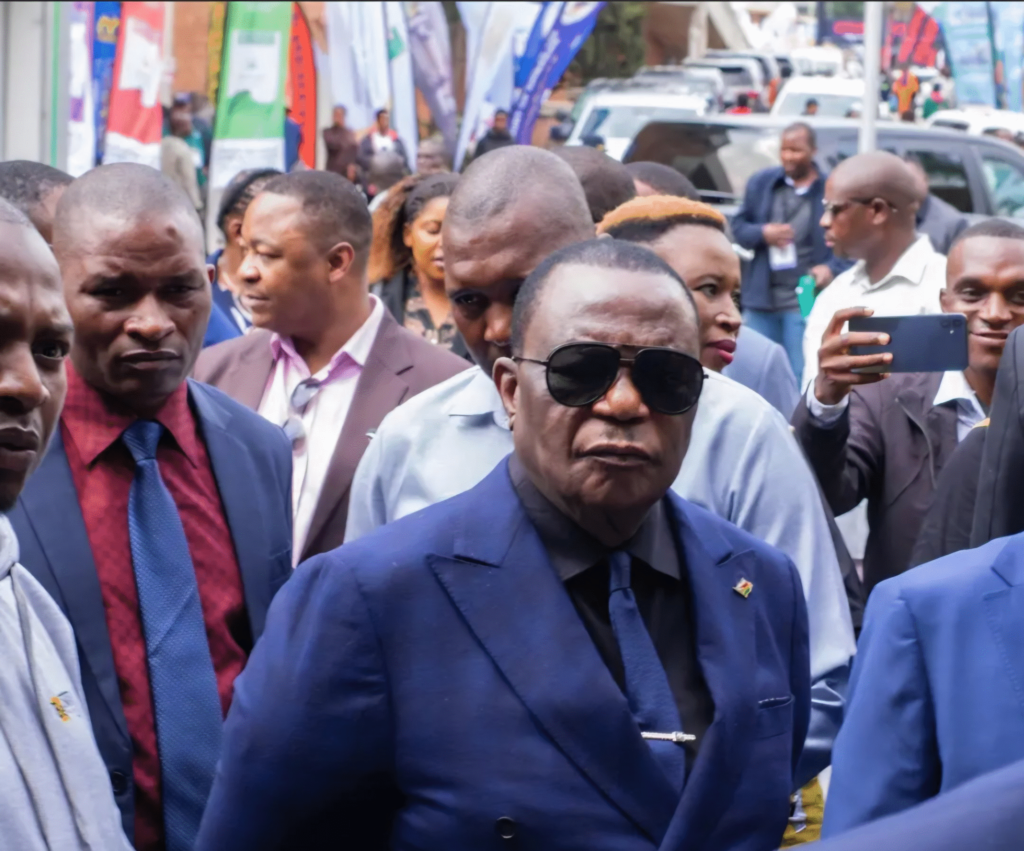
Zimbabwe is entering one of the most dangerous political moments in recent years, where the fight over constitutional amendments is no longer limited to parliament chambers and political speeches. The battle has now moved into the courts, into former military circles, and into the deeper structures that have long shaped power in Zimbabwe. What was once presented as a simple constitutional process is now exposing serious cracks inside the state itself, and the consequences could reshape the country’s future in ways many Zimbabweans deeply fear.
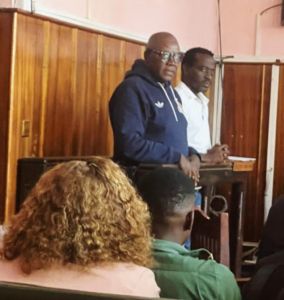
The latest sign of this growing crisis is the decision by six war veterans to approach the Constitutional Court in an attempt to block the proposed constitutional changes. This is a major political development because resistance is no longer coming only from opposition voices or civil society groups. It is now emerging from people who were once closely linked to the ruling establishment and who played a role in defending the political order that ZANU PF built over decades.
At the centre of this confrontation is a simple but powerful question. Who truly owns Zimbabwe’s constitution. Is it parliament, where political numbers can be used to push through major decisions, or is it the people, who gave the constitution its authority through a national referendum in 2013. This is not just a legal technical argument. It is a battle over democratic legitimacy itself. A constitution approved by the people carries both legal power and public meaning. Changing it without returning to the people raises serious questions about political honesty and democratic respect.
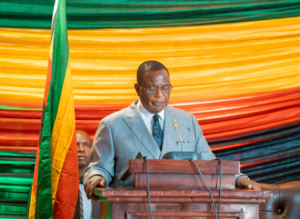
ZANU PF, a party that often works hard to project discipline and unity, now appears deeply divided. One faction is firmly behind President Emmerson Mnangagwa and the growing push around his 2030 vision, which many see as an effort to extend his time in power through constitutional changes. Another faction, believed to be linked to Vice President Constantino Chiwenga, appears resistant to this direction. Whether that resistance is based on principle, ambition, or both, the political effect is clear. Zimbabwe is witnessing a succession battle hiding behind constitutional language.
At the same time, the opposition and broader civic resistance remain fragmented. That creates a dangerous political vacuum. Without a strong united challenge, ZANU PF’s two thirds parliamentary majority becomes a powerful weapon that can be used to force through constitutional amendments with limited resistance. In such a situation, parliament risks becoming less of a democratic safeguard and more of a political tool.
But what makes this crisis especially serious is resistance coming from unexpected corners. Retired military leaders and former senior officials have reportedly submitted a petition warning against the proposed amendments. Their message is clear. If the constitution was approved by the people through referendum, then the people must have the same voice in deciding major changes.
That matters because Zimbabwe’s military and political history have always been closely connected. Since independence in 1980, the line between state power, party power, and military influence has often been blurred. Key figures helped build that system, and later reinforced it during moments of national political upheaval.
Now, if elements from those same networks are showing resistance, it suggests that the political alliance holding the current system together may be weakening.
This creates a dangerous situation for Mnangagwa. Leaders who rely on strong internal alliances often face their greatest risk when those alliances begin to crack. A president facing resistance not only from critics, but from within the wider establishment, enters politically unstable ground.
Zimbabweans should pay close attention. Constitutional fights are never just about legal wording. They are about power, control, and who gets to shape the national future.
When leaders push constitutional boundaries, when former allies turn into opponents, and when the people risk being removed from major national decisions, political systems do not become stronger.
They become fragile.
Zimbabwe now stands at a defining moment, and what happens next may shape the country for years to come.
I actually think people are missing something here. Resistance from former insiders matters because systems rarely break from outside pressure alone. Opposition complaints are easy for government to dismiss. But when former allies, war vets, retired military types start pushing back, that creates a very different political risk. That’s when leaders usually become nervous.
Chiwenga supporters pretending this is about democracy is comedy. If roles were reversed some of you would be defending exactly the same amendments 😭
Lol let’s not act like these war veterans suddenly discovered democracy 😅 some of these same people defended the exact system for years. Now that internal interests are changing, suddenly constitution matters? Please.
Parliament exists for lawmaking. If elected representatives pass amendments constitutionally, that is still lawful governance. People cannot suddenly reject institutions only because they dislike likely outcomes. That becomes selective democracy too.
What worries me is not even Mnangagwa or Chiwenga specifically. Leaders come and go. The bigger issue is setting dangerous political habits. Once a ruling elite becomes comfortable redesigning constitutional rules whenever power calculations change, the long-term damage goes beyond one presidency. Institutions become weaker, public trust collapses, and future leaders inherit a system where rules feel temporary. That’s how democracies decay slowly.
Exactly my point!