DEMOCRACY IS NOT FOR SALE IN ZIMBABWE
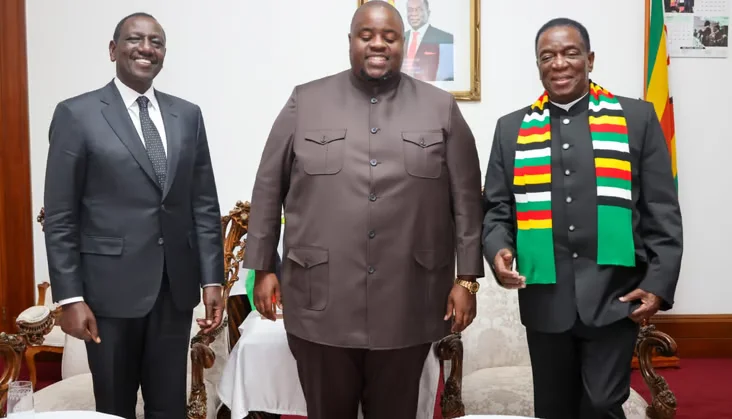
Zimbabweans were meant to celebrate freedom on Independence Day, to reflect on sacrifice, struggle, and the promise of self rule. Instead, the nation was confronted with a deeply troubling political spectacle that has raised serious questions about the state of democracy and the future of constitutional governance. The announcement that millions of United States dollars would be distributed to members of parliament and the senate by politically connected businessman Wicknell Chivayo has created outrage because of what it appears to represent at this critical political moment.
The figure alone is shocking. US$3.6 million, spread across 360 legislators, works out to US$10 000 for each member. In any democracy, citizens would have every right to ask difficult questions when such a large financial gesture is directed at lawmakers, especially during a period of intense debate over major constitutional change. Timing matters in politics, and this announcement did not happen in isolation. It came as Zimbabwe continues to debate Constitutional Amendment Bill Number 3, a proposal already surrounded by deep public concern because of its possible impact on presidential tenure and democratic accountability.
That is why many Zimbabweans are not seeing this as simple generosity.
The concerns become even sharper because of the political relationships involved. Wicknell Chivayo is not viewed as a neutral public benefactor operating outside the political system. He is widely seen as closely linked to powerful figures in government and has openly expressed support for political positions aligned with the current leadership. In such an environment, financial gestures directed toward lawmakers naturally attract public suspicion.
Supporters of the move may argue that parliament has previously benefited from outside support or international assistance. But many citizens will recognise an important difference between institutional support delivered through formal public frameworks and direct financial commitments associated with politically connected individuals during moments of constitutional tension. The comparison does not easily calm public concern.
The issue becomes even more troubling when viewed against Zimbabwe’s broader economic and political reality. Ordinary citizens continue to face daily hardship. Families struggle with rising costs, unemployment, failing public services, and economic uncertainty. Electricity shortages remain a painful symbol of national frustration. Public trust in leadership has already been weakened by years of unmet promises and controversy around public projects.
Against that background, large financial gestures toward political representatives create an unavoidable appearance problem, even if defenders attempt to frame them differently.
There is also another deeply worrying dimension. Reports suggesting that alternative funding could be directed elsewhere if individual legislators refuse participation raise difficult questions about political pressure, influence, and independence. In a healthy democracy, lawmakers should be free to make constitutional decisions based on conscience, public interest, and democratic principle, not under any atmosphere of financial expectation or political intimidation.
Parliament exists to represent citizens. It is meant to scrutinise power, debate law, and defend constitutional integrity. If public confidence begins to erode around the independence of lawmakers, the legitimacy of the entire democratic process becomes weaker.
This is why the issue is much bigger than one businessman or one financial announcement.
Zimbabwe is already facing serious national debate over constitutional reform, presidential succession, and democratic participation. In such a sensitive environment, any action that creates the impression that legislative independence can be influenced by wealth or political patronage damages public trust.
Democracy depends not only on legal structures, but on public confidence that institutions are acting freely and honestly.
The liberation struggle was built around promises of representation, dignity, and the right of citizens to shape their own national future. That history gives constitutional democracy deeper meaning in Zimbabwe. Any perception that political power can be secured through influence, patronage, or financial pressure strikes at the heart of those values.
Zimbabweans deserve institutions that serve the people, not political convenience.
At this defining moment, constitutional decisions must be shaped by public interest, transparency, and democratic principle. The future of the nation is too important to be clouded by suspicion, political influence, or questions about who may be trying to shape outcomes behind the scenes.
Ordinary people are being asked to survive blackouts, collapsing services, and impossible prices, yet political elites somehow keep finding comfort and cash. That is what makes this issue so painful. It is not just about Wicknell or MPs, it is about a political culture where power, money, and influence seem inseparable. If lawmakers lose independence, then democracy becomes performance, not representation.
This is exactly why Zimbabweans no longer trust the political system. You cannot tell struggling citizens that there is no money for hospitals, schools, nurses, pensioners, and electricity, then suddenly millions of US dollars appear for MPs at the exact moment constitutional debates are heating up. Even if someone tries to call it generosity, the timing alone creates serious suspicion. Democracy must not even look like it is being bought.
The opposition always talks about democracy, but they become uncomfortable whenever people outside their circles support national leaders. Parliamentarians are human beings too, and not every financial gesture means manipulation. This constant negativity damages Zimbabwe’s political environment more than the alleged donation itself.
What Zimbabwe needs is stability, not endless outrage manufactured by political activists. Every event is turned into a conspiracy against democracy. If there is a legal issue, institutions can deal with it. But creating emotional public narratives around assumptions only increases division. The country needs maturity, not political drama.