WHEN POWER MAKES ALLIES TEMPORARY
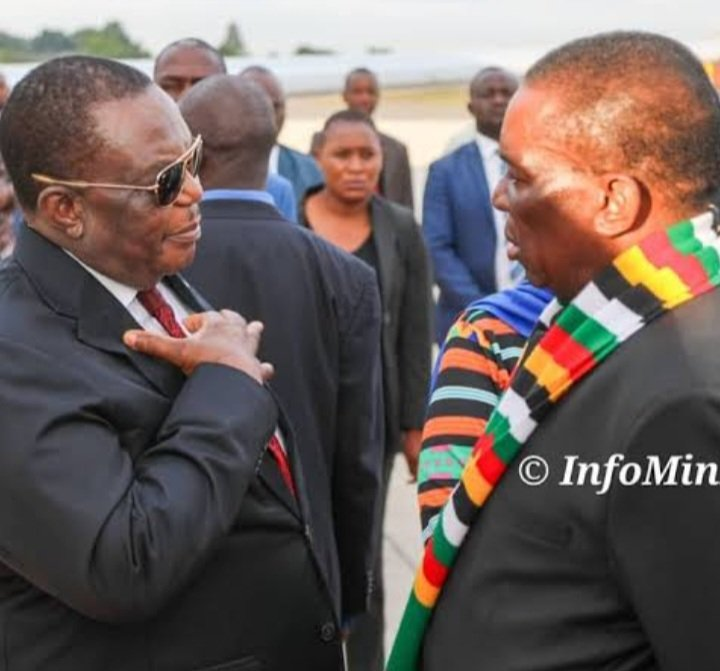
Zimbabweans love asking simple questions about complicated political stories. Did Mnangagwa betray Chiwenga. Did Chiwenga miscalculate. Who used who. Who was smarter. Who struck first. It makes for dramatic political conversation because people naturally want politics to behave like a clear story with heroes, villains, and turning points. But Zimbabwe’s power struggles have never worked that neatly. The real truth is uglier than betrayal between two men. It is about a political system where alliances are rarely built on trust, loyalty is always conditional, and power only respects itself.
The story many people tell begins in 2017, when Robert Mugabe’s grip on power was collapsing under the weight of internal ZANU PF warfare. Mnangagwa had been pushed out. G40 was rising. The military stepped in. Mugabe fell. Mnangagwa entered State House. Chiwenga became vice president. On the surface, it looked like a shared victory. A soldier helped install a political ally, and many assumed some understanding existed between them about what came next.
That assumption may have been the first mistake.
Because politics built in crisis is rarely politics built on trust. It is survival. Temporary arrangements. Mutual usefulness. Men standing together because, for that moment, they need each other more than they fear each other.
That was always the real foundation here.
Mnangagwa needed force.
Chiwenga needed political legitimacy.
Each supplied what the other lacked.
But once the immediate crisis passed, the relationship changed. Because once power is secured, usefulness gets reassessed. That is the brutal logic of political systems shaped by suspicion.
People often speak as if Chiwenga was simply tricked by a clever politician. That may be too generous. Chiwenga is not some innocent outsider who wandered into a bad deal. He understood Zimbabwean power politics better than most people. He came from the military establishment that has shaped the country’s political reality for decades. If he believed power would simply be handed over later out of goodwill, then that was not betrayal. That was extraordinary political naivety.
And Zimbabwean politics does not reward naivety.
What happened after 2017 followed a recognisable pattern. Power began consolidating. Networks shifted. Security influence changed. Political appointments moved. Old allies were repositioned. New loyalists emerged. Structures that may once have reflected military influence gradually became more aligned with presidential survival.
That is not an emotional story.
It is a strategic one.
The illness factor mattered too. Power hates uncertainty, and political weakness creates openings. A leader absent or politically vulnerable naturally loses ground in systems built around movement, access, and constant positioning. Politics rarely pauses out of sympathy.
By the time Mnangagwa entered his later political phase, the balance looked dramatically different from the early post 2017 moment. Whatever assumptions may have existed at the beginning appeared increasingly irrelevant. Real power had moved.
And perhaps that is the central lesson here.
Zimbabwe’s political system does not really believe in shared power.
It believes in managed proximity to power until one side becomes unnecessary.
That is why the public debate over betrayal sometimes misses the bigger truth. The real betrayal may not have been personal at all. It may have been systemic. A political culture where loyalty lasts only while useful. Where alliances are tactical. Where institutions are secondary to survival.
That is the environment both men understood, participated in, and helped shape.
So yes, maybe Mnangagwa outmanoeuvred Chiwenga.
Maybe Chiwenga trusted an arrangement that was never real.
Maybe both things are true.
But ordinary Zimbabweans should not lose sight of something bigger while elite power watchers enjoy the drama.
This was never a fight about democracy, public wellbeing, or national renewal.
It was a struggle inside a political system where power changes hands, but ordinary citizens remain spectators to elite battles that rarely improve their lives.
That is why the question is not simply who betrayed who.
The deeper question is why Zimbabwe remains trapped in a political culture where this kind of story keeps repeating at all.