THE SAME OLD GAME OF POWER IN ZIMBABWE
For many years, Zimbabwe has lived under the same political story. The names may change, but the system stays the same. Power has never moved in a normal and open way. It has always been about who fought in the liberation war, who has support from the military, and who can control ZANU PF from inside.
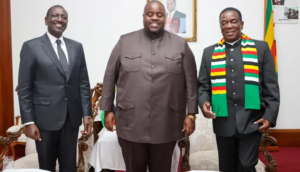
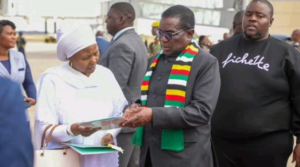
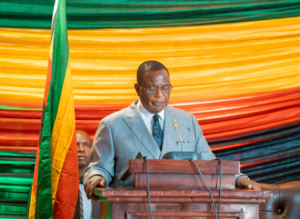
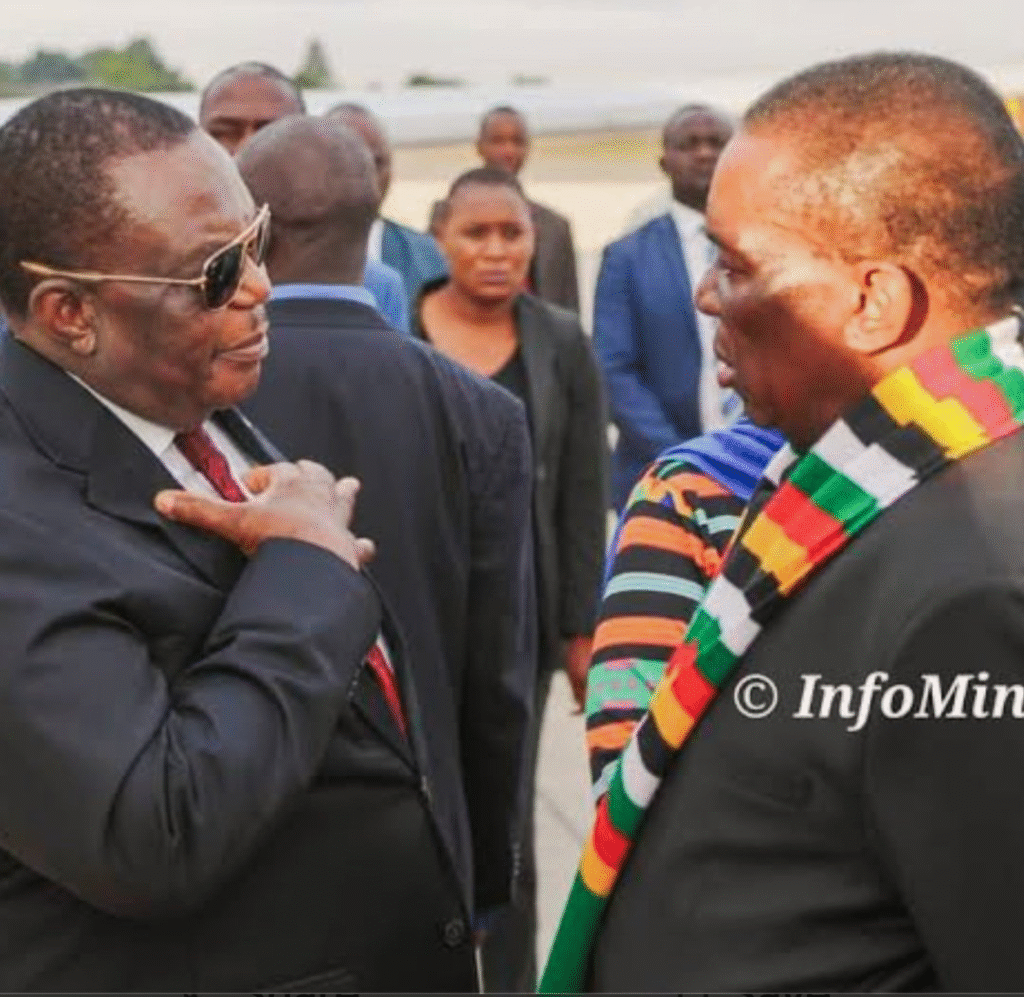
Now the country is once again talking about succession. People are asking what happens after President Emmerson Mnangagwa. Some believe Vice President Constantino Chiwenga is the natural next leader. Others say there is a serious fight between the two men. But when we look carefully, the picture is not that simple.
Mnangagwa and Chiwenga are not strangers. Their relationship is built on history, politics, and shared interests. These are two men who have walked the same road for many years. They understand each other because they come from the same political system.
When Robert Mugabe was removed in 2017, many people celebrated and believed Zimbabwe was entering a new chapter. But what happened was not a normal democratic change. It was a power shift inside the ruling party, supported by the military.
Mnangagwa did not return to power by chance. At that time, he had fled to South Africa after being pushed out. It was Chiwenga, then army commander, who played a major role in making sure Mnangagwa returned and took power. Operation Restore Legacy changed the country’s leadership, but it did not change the system itself.
Without Chiwenga and the military, Mnangagwa’s path to State House would have been far more difficult. That truth matters today.
This is why stories of open hatred between the two should be treated with caution. Yes, there may be tensions. Yes, there may be internal fights. But their relationship is deeper than daily political gossip. Their political futures have been linked for a long time.
Zimbabwe has never developed a culture of peaceful and honest succession. Mugabe stayed in power until he was forced out. There was no proper plan, no open process, and no involvement of ordinary citizens. The same questions now follow Mnangagwa.
Will he step aside peacefully? Will he try to stay longer? Will the constitution be changed to create more time in office? Or will internal ZANU PF battles decide everything behind closed doors?
The sad reality is that ordinary Zimbabweans are usually not part of these decisions. Leadership discussions happen among powerful men, party insiders, military figures, and political allies. The people are expected to watch from the side.
That is the real problem.
A true succession should be about the people choosing their leader freely. It should be based on open competition, fair elections, and respect for the will of citizens. But Zimbabwe has rarely seen that kind of politics.
Instead, what we often see is controlled change. One face replaces another, but the same system remains alive.
The current succession talk is not really about democracy. It is about protecting political power within ZANU PF. Whether it is Mnangagwa, Chiwenga, or another insider, the bigger question remains the same: will anything truly change for ordinary Zimbabweans?
After nearly fifty years, Zimbabwe still struggles with the same political pattern. Power moves through force, secret deals, pressure, and internal party battles. The people are told to accept the outcome.
Zimbabweans must ask themselves a serious question. Is this the future we want forever?
Should leadership continue to be decided in private rooms by powerful political actors? Or should citizens finally have the right to choose their leaders in a process that is open, fair, and free from fear?
The issue is bigger than Mnangagwa or Chiwenga. It is about whether Zimbabwe can ever break away from a political system that keeps power in the hands of a few while the majority remain spectators.
Until the people truly become the ones who decide, talk of planned succession will remain nothing more than another chapter in the same old story.