A NATION IN DARKNESS EXPOSED LIVE
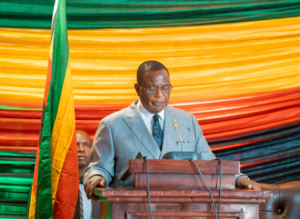
What happened in Parliament yesterday was more than an embarrassing technical failure. It was one of the most powerful symbols of Zimbabwe’s national collapse in recent memory. President Emmerson Mnangagwa stood before Parliament to deliver his State of the Nation Address, a moment meant to project confidence, leadership, and national progress. Instead, the lights suddenly went out. The president was forced to continue speaking under torchlight, creating a scene so shocking and humiliating that no official explanation can erase its meaning. Zimbabweans watching did not just see a blackout. They saw the truth.
For a government that has ruled Zimbabwe for 45 years, this moment could not have offered a clearer picture of reality. A president speaking in darkness while trying to present a message of progress is not just irony. It is a perfect symbol of what Zimbabwe has become under ZANU PF. A country where hospitals lose power. A country where families spend long hours in darkness. A country where students try to study without electricity. A country where blackouts have become part of daily life while leaders continue making speeches about progress.
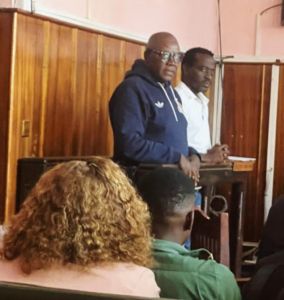
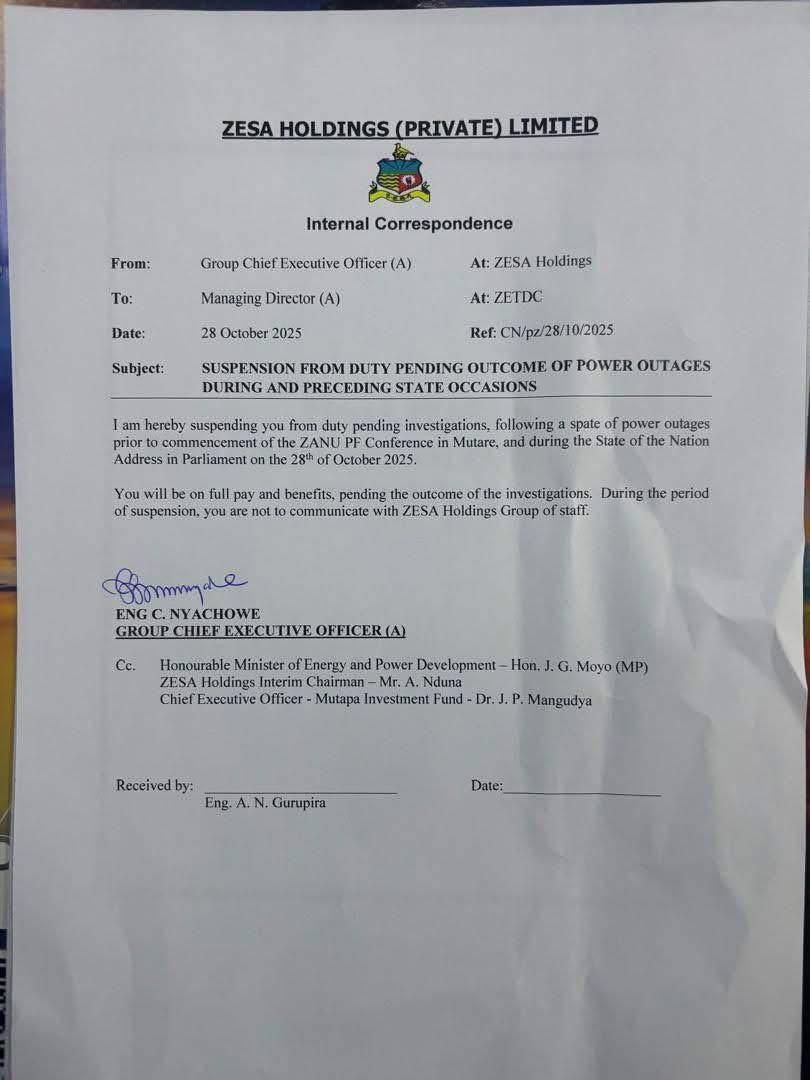
The response from those in power was immediate and brutal. Abel Gurupira, the Managing Director of the Zimbabwe Electricity and Distribution Company, was quickly suspended. According to reports, his removal came while an investigation into the blackout was being launched. But the speed of the decision raises serious questions. This did not look like calm leadership following due process. It looked like panic. It looked like political damage control. Energy Minister July Moyo and Zesa leadership reportedly moved fast after pressure from Mnangagwa and Speaker of Parliament Jacob Mudenda, who was said to be furious and demanding immediate action.
But Zimbabweans are asking the real question. What actually caused the blackout?
So far, there is no clear answer. Parliament says it was a technical fault. Others are shouting sabotage. That confusion says everything about the state of governance in Zimbabwe. If it was sabotage, then it suggests a dangerous level of internal breakdown, mistrust, and chaos within critical national systems. If it was a technical fault, then it points to failing infrastructure and years of neglect. Neither explanation inspires confidence. Both are deeply troubling.
What makes this worse is that this was not the first incident of its kind. That matters. Because repeated failures stop being accidents and start becoming evidence of deeper national decay. Zimbabweans are not shocked by power cuts. They live with them every day. The difference this time is that the blackout happened at the centre of political power. Suddenly what ordinary citizens suffer became a national emergency because the ruling elite experienced it themselves.
That hypocrisy is impossible to ignore.
For years, ordinary people have endured endless electricity failures with little urgency from those in power. Businesses have struggled. Homes have gone dark. Medical services have been disrupted. Communities have adjusted to dysfunction because they had no choice. Yet when Parliament loses power during a presidential speech, heads begin to roll immediately. That tells Zimbabweans exactly whose suffering matters.
Suspending one executive will not solve this crisis. Zimbabwe’s energy problems are not the failure of one individual. They are the result of years of poor governance, weak planning, collapsing systems, and leadership that reacts only when embarrassment reaches the top.
Yesterday’s blackout was not just a technical interruption. It was a national metaphor broadcast live.
Leadership in darkness. Governance in darkness. Accountability in darkness. Hope in darkness.
ZANU PF may try to control the story, blame sabotage, or sacrifice officials to calm public anger. But the image has already spoken louder than any official statement. A president delivering promises under torchlight in a nation drowning in blackouts tells the story of modern Zimbabwe more honestly than any speech ever could.
The whole world saw it.
And Zimbabweans have lived it for years.