THE DEATH OF BLESSED GEZA AND THE BETRAYAL OF LIBERATION
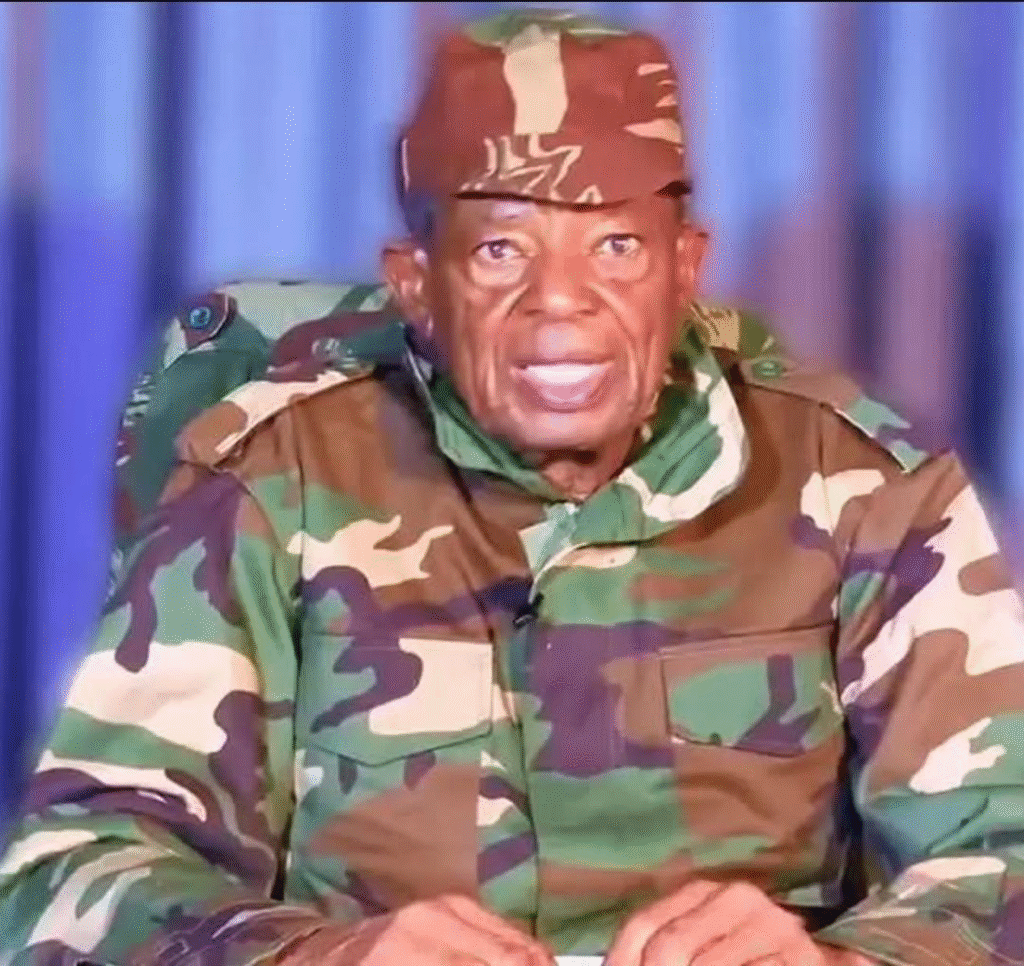
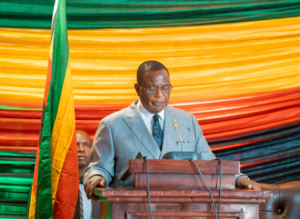
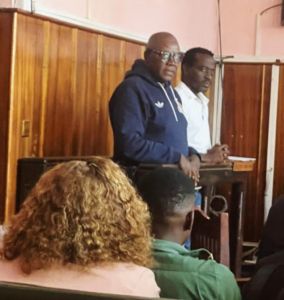
The death of Blessed Runesu Geza, known by many as Comrade Bombshell, forces Zimbabweans to confront difficult questions about the meaning of liberation, power, and political betrayal. Geza died in the early hours of 6 February 2026 at a cardiac hospital in South Africa, far from the country whose liberation he once fought for. He was a war veteran, a political insider, a controversial figure, and in his later years, a loud critic of the very political order he once helped defend. His story is not simple, and neither is the lesson it leaves behind.
Zimbabwe’s liberation struggle was never supposed to be only about replacing white rulers with black leaders while leaving the structures of oppression untouched. That would have been too small a dream for the sacrifice that was made. The struggle was supposed to bring real freedom, political dignity, economic justice, and equal rights. It was meant to give ordinary people control over their future, their resources, and their voices. It was about more than a flag, more than ceremonies, and more than independence speeches.
For many Zimbabweans, that promise now feels broken.
Geza’s later political anger seemed to come from that sense of betrayal. In his final years, he openly criticised the post liberation political system and even turned his fire toward President Emmerson Mnangagwa. His speeches reflected the frustration of someone who believed the ideals of the struggle had been replaced by something far darker. A state that still speaks the language of liberation while failing to deliver justice becomes something deeply dangerous, because it uses history as protection while ordinary people continue to suffer.
Across Africa, many thinkers have long warned about this exact outcome. The fear has always been that liberation movements could become ruling elites that inherit the machinery of power but fail to transform it. Instead of dismantling systems of control, they take them over. Instead of freeing citizens, they manage them. Instead of creating justice, they build new forms of privilege.
That is a painful truth many Zimbabweans recognise.
But honesty also demands that Geza himself cannot be separated from that same political story. He was not an outsider watching events from a distance. He was part of the system he later condemned. As a ZANU PF insider and political actor, he played a role inside the structures of power. His involvement in the events of November 2017, which removed Robert Mugabe and brought Mnangagwa into office, placed him firmly within elite political struggles.
That matters because it reminds us that political awakening often comes late, after damage has already been done.
Yet there is something important about public regret. In political systems built on fear, silence is often rewarded. Those who remain quiet are protected. Those who challenge the system become vulnerable. If Geza truly reflected on his role and spoke openly about it, that matters, not because it erases the past, but because truth telling in authoritarian political cultures carries risk.
And risk is exactly what followed.
Reports indicate that he fled to South Africa while under pressure from the state. He died there, away from home, carrying both his political history and his later opposition with him.
His death is not just about one man.
It is about the unfinished questions Zimbabwe still refuses to answer.
What was liberation truly meant to deliver.
Who benefited.
Who was left behind.
And what happens when those who once defended the system begin speaking against it.
Geza’s life reflects the contradictions of modern Zimbabwe. A liberation fighter who became part of power, then later challenged it. A man tied to the system, yet angered by what it became.
His story offers no easy heroes.
But it does offer a warning.
A liberation movement that forgets the people it claimed to fight for eventually becomes something else entirely.
And when even its own veterans begin saying so, the nation must listen.
Honestly ZANU PF supporters will hate this article but it asks a real question: what exactly did liberation deliver for ordinary people? Because many families still live with poverty, poor hospitals, broken systems and political fear decades later. That’s not a small question.
One uncomfortable truth, Zimbabwe loves turning political figures into either saints or villains. Real life is messier. Geza was clearly both participant and critic. That contradiction is probably exactly why his story resonates with some people. It reflects the country itself, idealism, compromise, power, regret, anger, unfinished business.