ZANU PF’S DANGEROUS POWER GRAB HAS BEGUN
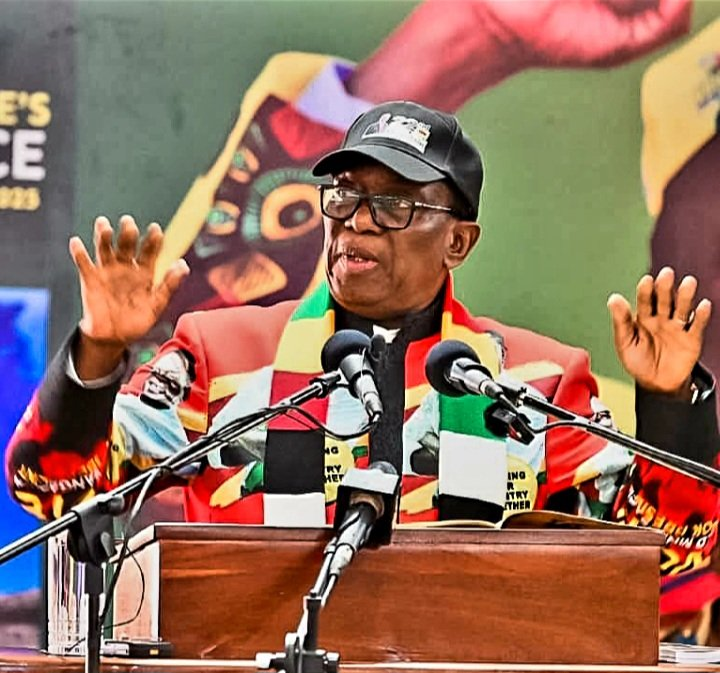
What happened in Mutare this past weekend was not just another political gathering. It was the opening move in a dangerous plan that could change Zimbabwe’s future for the worse. Zanu PF has now made it clear that it wants President Emmerson Mnangagwa to remain in power until 2030, even though his legal second term ends in 2028.
This is not a small political issue. This is a serious attack on Zimbabwe’s constitution and on the democratic rights of every citizen.
The constitution is supposed to protect the country from exactly this kind of power grab. It sets limits so that no leader can stay forever. Mnangagwa took an oath to respect that constitution. Yet now his own party is pushing plans to change it so he can stay longer.
Ziyambi Ziyambi, the party’s legal affairs secretary, openly said he has been given the job of starting the constitutional amendment process within the next year. That statement alone should alarm every Zimbabwean. Laws should not be changed simply because powerful politicians want to remain comfortable in office.
Mnangagwa has not publicly rejected this plan. His silence speaks loudly. If he truly respected the constitution, he would clearly tell his party to stop. Instead, Zimbabweans are watching a president remain quiet while allies prepare to change the rules for his benefit.
This looks less like democracy and more like a constitutional takeover.
Zimbabwe is not alone in facing this problem. Across Africa, leaders and ruling parties have found ways to weaken democracy by changing constitutions, removing term limits, or extending power using legal language. They often speak about stability and continuity. But in reality, it is about keeping control.
History has shown what happens when leaders stay too long. Institutions become weak. Corruption grows. Accountability disappears. Citizens lose hope. Power becomes more important than service.
Zimbabwe already knows this painful story.
Robert Mugabe stayed in power for 37 years. The country paid a heavy price. Economic collapse, political fear, broken public services, and lost opportunities became normal life for millions. Many believed 2017 marked the end of that era when Mnangagwa came to power after Mugabe was removed.
One of the reasons used to justify that change was that Mugabe refused to leave.
Now Zimbabwe faces the bitter possibility of history repeating itself.
Mnangagwa has already spent decades in government. Extending his stay beyond 2028 would not be about national need. It would raise serious questions about political survival and the protection of those around him.
There is also growing tension within the ruling party itself, with reports of resistance from other senior figures. But Zimbabwe cannot depend on internal power struggles to defend democracy. Political factions fight for their own interests, not necessarily for the people.
The real issue is whether Zimbabweans will be allowed to decide their future.
Some legal voices have warned that such constitutional changes would require public approval through referenda. That matters because it puts power in the hands of citizens. But if leaders fear the people’s answer, they may try to force changes through Parliament instead.
That would be a dangerous path.
Across Africa, many ordinary citizens support term limits because they understand why they exist. Leaders are meant to serve, not rule forever. Democracy depends on change, accountability, and respect for rules.
When leaders begin rewriting rules to suit themselves, democracy becomes fragile.
Zimbabwe stands at an important moment. If this plan succeeds, it may not stop at 2030. Once the door is opened, future extensions become easier.
This is bigger than one politician or one party. It is about the kind of country Zimbabwe wants to be.
A nation where laws protect citizens, or a nation where laws are changed whenever powerful men feel threatened.
The choice matters now more than ever.