ZANU PF’S PURGE CULTURE IS NOW DEVOURING TOURISM
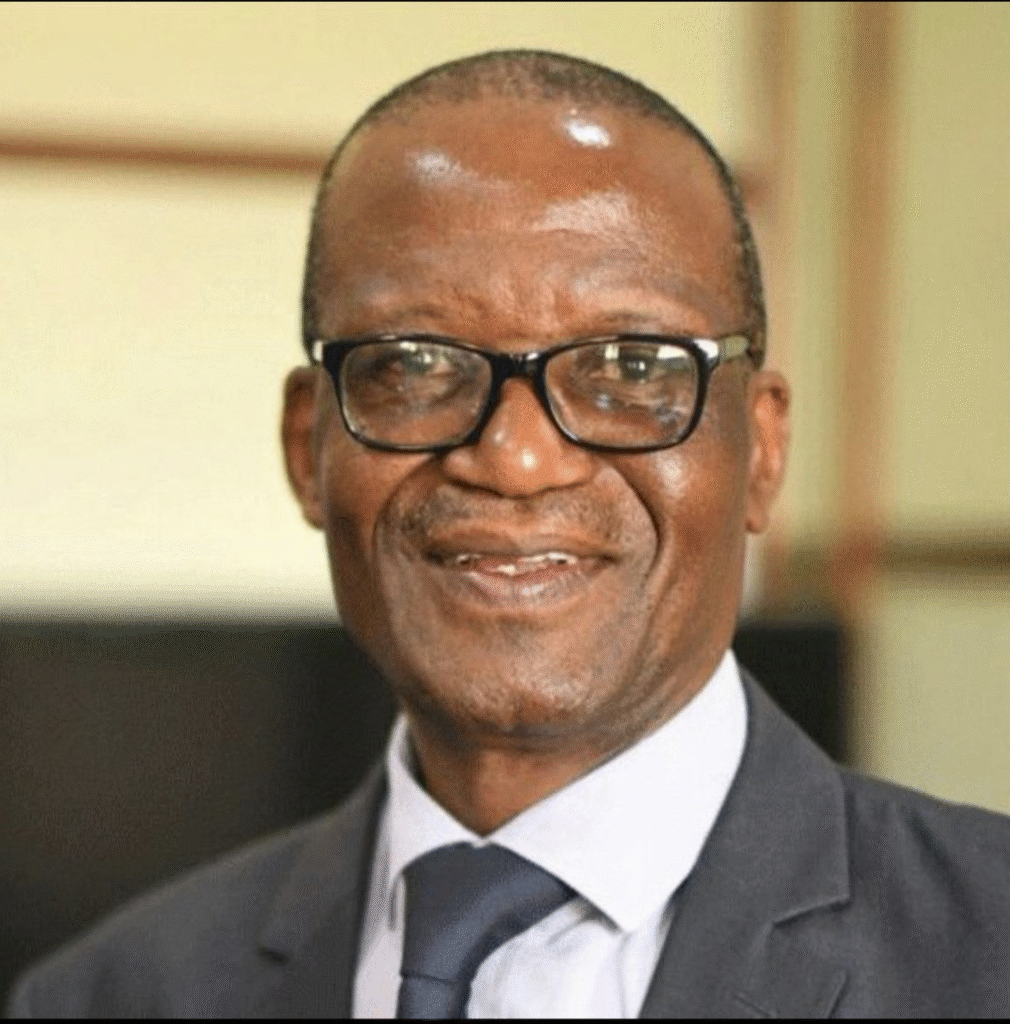
Sometimes the truth does not come through an official statement, a leaked report, or a brave whistleblower. Sometimes it slips out through human error. A message meant for one person lands in front of many, and suddenly the carefully managed story begins to crack. That appears to be what happened at the Zimbabwe Tourism Authority, where an embarrassing WhatsApp mistake has exposed something much bigger than one official’s poor judgment. It has pulled back the curtain on what looks like yet another government institution being consumed by fear, internal warfare, and the destructive political habits that have hollowed out so many public bodies in Zimbabwe.
William Stima’s accidental WhatsApp status post may have been a blunder, but the real scandal is what it revealed. Zimbabweans are being told this is restructuring. That familiar word again. Restructuring. Rationalisation. Reorganisation. We have heard these clean sounding terms before, usually just before institutions are stripped apart, inconvenient people are removed, and politically useful replacements are brought in. In this country, restructuring often arrives wearing the language of efficiency while carrying the smell of factional politics.
Tourism should be one of Zimbabwe’s strongest stories. It is one of the few sectors that can still bring foreign currency, jobs, international confidence, and some sense of national possibility. Zimbabwe has natural beauty, global tourism appeal, and enormous untapped potential. Yet even here, where competence and stability should matter deeply, politics appears to have entered like poison.
If reports are accurate, senior professionals have already been pushed out in significant numbers. Executive directors gone. Department heads removed. More names reportedly lined up. That is not a minor administrative adjustment. When leadership structures are being emptied at that scale, citizens have every right to ask what exactly is happening.
And no, simply saying “cost cutting” does not automatically answer the question.
Because Zimbabweans have seen too much to accept official language at face value.
If the true goal is institutional efficiency, where is the transparent strategy. Where is the clear performance case. Where is the publicly credible explanation for why specific people are leaving, what reforms are being implemented, and how institutional performance will improve. Serious restructuring is not gossip driven chaos exposed through WhatsApp mistakes.
The deeper problem is that this story feels painfully familiar. Too many Zimbabwean institutions have followed the same script. A functioning public body becomes politically contaminated. Fear replaces professionalism. Loyalty begins mattering more than competence. Internal trust collapses. Experienced staff leave or are forced out. Performance weakens. Public confidence disappears.
Then officials act surprised when outcomes decline.
Tourism cannot thrive inside institutional paranoia.
Investors do not trust unstable institutions.
International partners do not build confidence around political chaos.
Sector professionals cannot deliver long term strategy while constantly watching their backs.
And ordinary Zimbabweans lose yet another opportunity for economic recovery.
That is the real cost of this culture.
Not just individual careers.
National capacity.
Tourism is not a toy for political games. It is serious economic infrastructure. A country trying to attract visitors, foreign investment, and international credibility cannot afford agencies shaped by factional warfare and fear based management.
But under Zimbabwe’s current political culture, too many institutions stop serving their public purpose and start serving internal power interests instead.
That is why citizens are angry.
Because every sector that shows potential somehow ends up infected by the same disease. Politics over competence. Loyalty over professionalism. Control over delivery.
The WhatsApp mistake is embarrassing, yes.
But the greater embarrassment is a national governance culture where accidental exposure feels more believable than official explanations.
Zimbabwe deserves functioning public institutions, especially in sectors capable of generating real economic value.
Instead, citizens are once again left asking whether another institution is being slowly dismantled while those responsible hide behind familiar bureaucratic language and hope the next scandal arrives before this one fully settles.

This article is one-sided. Maybe some of those executives were underperforming? Why do we assume every dismissal is corruption?
That would be fair if there was transparent communication around performance failures, reform goals, measurable restructuring objectives, and leadership accountability. The issue is not that restructuring itself is impossible. The issue is that citizens have seen this exact script too many times under politically compromised institutions. That history creates suspicion.
The real tragedy is economic. Tourism depends heavily on perception, stability, and institutional credibility. International investors, travel partners, airlines, and destination marketers watch governance signals closely. Internal instability doesn’t stay internal. If the Zimbabwe Tourism Authority begins looking politically chaotic, that reputational damage extends beyond staffing politics into the broader tourism brand itself. That affects jobs, forex inflows, conference business, and investor confidence.
Some of you complain about everything. Government acts = problem. Government doesn’t act = problem. Make up your minds 😂
Acting isn’t the issue. HOW they act is the issue. Big difference.