JESSIE MAJOME’S REMOVAL EXPOSES ZANU PF’S FEAR OF THE CONSTITUTION
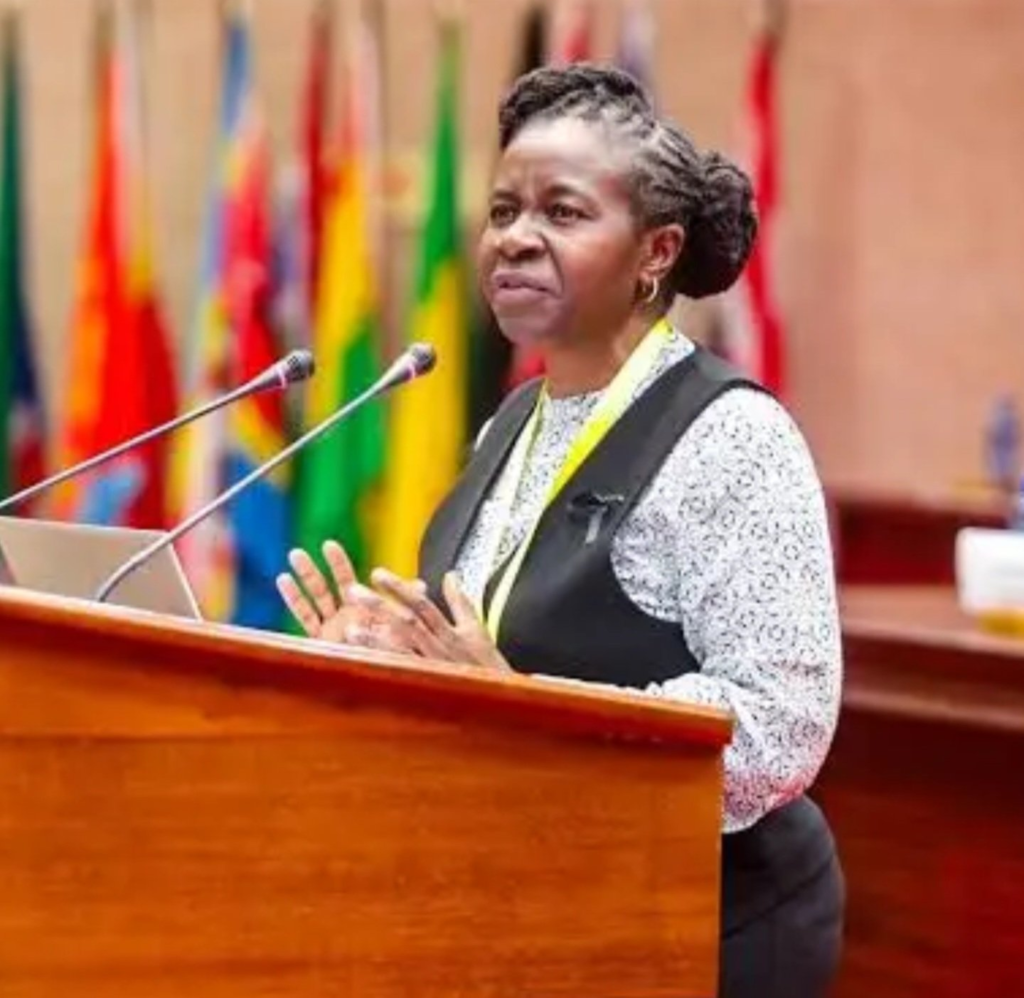
The removal of Jessie Majome from her position as chair of the Zimbabwe Human Rights Commission tells Zimbabweans something deeply troubling about the state of constitutional governance in this country. A woman placed in office to defend constitutional rights appears to have been removed shortly after doing exactly that. Whatever official language is being used to explain her removal, the timing and circumstances raise serious questions about whether this was truly about procedure or about punishing an inconvenient voice.
The official explanations have been presented in neat legal language. We are told the commission lacked a quorum when it made its statements. We are told there was no proper consultation. We are told she commented on an ongoing process. We are told she went to the public instead of following the expected channels. These arguments are being presented as technical justifications, but many Zimbabweans will look beyond the language and ask a much simpler question. Why did this happen now?
Jessie Majome’s commission had recently spoken out about public hearings linked to Constitutional Amendment Bill Number 3, raising concerns about violence, intimidation, exclusion, and the silencing of citizens who opposed the bill. These are serious concerns for any democratic society. A human rights commission exists precisely to observe, monitor, and raise alarm when public rights appear threatened.
That is what makes this situation so concerning.
The Zimbabwe Human Rights Commission is not meant to be an ordinary political office. It is an independent constitutional body. Its purpose is to protect rights, monitor state conduct, and provide public oversight. Independence is not a decorative word in the constitution. It is central to the commission’s existence.
The legal process surrounding the removal of members from independent constitutional commissions matters because it exists to protect those institutions from political interference. The concerns now being raised are not simply about political opinion. They are about whether the proper constitutional protections were respected before action was taken.
If a constitutional office holder can be removed without the full legal safeguards being followed, then public confidence in the independence of constitutional institutions is weakened. That matters far beyond one individual case. It affects how citizens view the courts, commissions, oversight bodies, and the broader rule of law.
The timing makes the matter even harder to ignore. When a commission raises concerns about a controversial constitutional process and leadership changes follow quickly afterwards, the public naturally begins to question motive.
The message this sends could be deeply damaging.
Independent commissioners, civil servants, judges, and public institutions must be able to carry out their duties without fear that speaking honestly will end careers. If public officials begin to believe that constitutional oversight carries personal risk, then silence replaces accountability.
That would be dangerous for any democracy.
The arguments being used to justify the decision also deserve public scrutiny. Questions about quorum, consultation, and public communication are not meaningless, but they must be considered in the wider context of the commission’s legal mandate. Human rights bodies are expected to monitor events as they happen. They are expected to communicate with the public. They are expected to raise concerns when rights appear threatened.
If those same actions suddenly become grounds for punishment, the institution’s purpose becomes unclear.
This issue is larger than Jessie Majome.
It is about whether Zimbabwe’s constitutional institutions are truly independent or only independent when they remain politically convenient. It is about whether constitutional bodies can challenge power without retaliation. It is about whether the constitution remains a real shield for citizens or merely a document quoted when useful and ignored when inconvenient.
At a time when Zimbabwe is already facing intense debate over constitutional change, this episode only deepens public anxiety.
Citizens are watching carefully.
Because when those tasked with defending rights appear vulnerable to political consequences, trust in the entire system begins to erode. And when constitutional trust collapses, democracy itself becomes weaker.
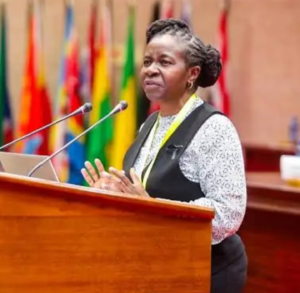
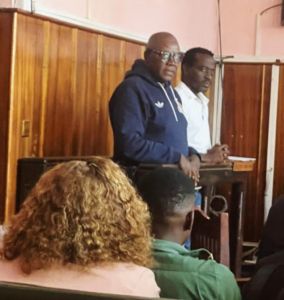
Zimbabweans are not stupid. We can read timing. A constitutional watchdog raises concerns about intimidation around Amendment Bill No. 3, then leadership is suddenly removed, and we are expected to believe it is just a procedural issue? Come on. This is why trust in state institutions keeps collapsing. The law is increasingly looking like a tool for convenience, not justice.
Jessie Majome’s removal sends a very dangerous message to everyone in public office: keep quiet or lose your position. That is not how democracy works. A Human Rights Commission exists to protect citizens, especially when rights are under threat. If commissioners are punished for speaking up, then the institution becomes meaningless. Today it is Majome. Tomorrow it will be anyone else who dares to challenge abuse.